


Málaga
Málaga
A city of almost 600,000 people, the only area on this coast where you can live, work and get around without a car.
Málaga is not a resort, it is a city of 597,173 residents (2025 figure) across 398 km², Spain's sixth largest, at the centre of a metropolitan area of more than a million people. Founded by the Phoenicians around 770 BC and Roman from 218 BC, it has a dense historic centre, a port in continuous operation since at least 600 BC, a university, a technology sector and a year-round rental market. It is the only one of the four areas we cover where you can live without a car.
The area here covers the historic centre, the port and Soho district, the eastern residential neighbourhoods (La Malagueta, El Limonar, Pedregalejo, El Palo) and, inland, the Teatinos campus.
What you will find
The historic centre. Cathedral, Alcazaba, Roman theatre, the pedestrian Calle Larios. Three major museums anchor the cultural offer: the Museo Picasso Málaga (opened 2003), the Carmen Thyssen museum (2011) and Centre Pompidou Málaga (2015).
The port and Soho. Redeveloping the port opened the city to the sea with Muelle Uno. Málaga is the second busiest cruise port on the Iberian Peninsula. The Soho district, between the port and the centre, concentrates street art and part of the nightlife.
The east of the city. La Malagueta is the most central beach neighbourhood. El Limonar lines the lower slopes with early twentieth-century villas. Pedregalejo and El Palo keep a fishing-village identity, with their fish restaurants on the sand. This is the most sought after and most expensive part of the city.
Teatinos. The campus of the Universidad de Málaga, founded in 1972, and the recent residential districts around it. More modern housing, more parking, less charm.
The economy. The Parque Tecnológico de Andalucía, opened in 1992, employs more than 16,000 people. Google opened its European cybersecurity centre there on 29 November 2023, in a 2,500 m² building near La Malagueta. Vodafone, Citigroup, TDK and others have set up or announced operations. This base creates year-round rental demand that does not exist elsewhere on the coast.
The property on offer
Four very different families of property:
| Type | Where | What to know |
|---|---|---|
| Older city-centre apartments | Historic centre, Soho | Buildings often without lifts, small floor areas, heavy heritage constraints |
| 1960s to 1980s apartments | La Malagueta, Pedregalejo, El Palo | Good volumes, but services and facades often need work |
| Period villas | El Limonar, Cerrado de Calderón | Scarce stock, high prices, often to renovate |
| New build | Teatinos, east of the city, port front | Current standards, higher community fees |
In the historic centre the heritage constraints are real: windows, facades, external air conditioning units. Check what is permitted before budgeting any work.
Price levels
In October 2026, the average in the city of Málaga stood at around €4,100/m² for apartments and €3,100/m² for houses, up about 8.6% and 5% over twelve months.
Málaga is therefore cheaper per square metre than Estepona (€4,956/m²) or Mijas (€4,122/m² for apartments), which often surprises people. The explanation lies in the mix: the city has a great many ordinary apartments in outlying districts that pull the average down. The neighbourhoods a foreign buyer actually targets (historic centre, Malagueta, El Limonar, Pedregalejo) trade well above that average.
On the rental side, rents in the city of Málaga stood at €16.4/m² per month in July 2026, up 2.5% year on year, which is roughly €1,475 a month for a 90 m² flat. It is the tightest year-round rental market of the four areas.
Who buys here
Three profiles. Buyers who want a real city rather than a holiday home, often younger than the Marbella clientele and sometimes working remotely. Long-let investors targeting Teatinos, the centre and student districts for steady yield. And wealth-preservation buyers in El Limonar and Pedregalejo, where supply is structurally scarce.
Who it suits less well
- If you want a villa with a pool and garden on a large plot. This is the wrong place. Land is scarce and expensive, and villa supply is very limited.
- If you want a postcard beach. Málaga's urban beaches are decent and convenient, but they are nothing like those of Mijas or Estepona.
- If you plan to run a holiday let. The city is under housing pressure. A demonstration drew between 4,500 and 25,000 people on 27 June 2026 depending on the source, and tourist-let regulation is tightening. That is a real regulatory risk to factor in.
- If you want quiet. The historic centre is noisy and busy, and stays that way for much of the year.
- If you are looking for the same expatriate bubble as Marbella or Benahavís. Málaga is a Spanish city that operates in Spanish, with state schools, public offices and neighbours who go to work. That is an advantage for some and a drawback for others.
Access and daily life
The airport, Málaga-Costa del Sol, handled 26,760,549 passengers in 2025, up 7.4%, with close to 187,000 movements. It connects to the city centre on the Cercanías C-1 line, around 12 minutes and €1.80, from a station inside Terminal T3.
Rail. The C-1 (31.35 km, 17 stations, roughly a train every twenty minutes) links Málaga Centro-Alameda to Fuengirola in about 45 minutes, serving the airport, Torremolinos and Benalmádena. The C-2 runs up the Guadalhorce valley to Álora. María Zambrano station handles AVE services to Madrid.
The metro. Opened on 30 July 2014, it has two lines and 19 stations. The extension into the centre (Atarazanas and Guadalmedina) opened on 27 March 2023. A further 1.8 km extension towards the Hospital Civil, with three stations, has been under construction since May 2024 and is expected in 2027. The network carried 19.2 million passengers in 2025.
Health and education. Major public hospitals within the city, the Universidad de Málaga on the Teatinos campus, and international and bilingual schools spread across the metropolitan area.
Climate. Around 300 days of sunshine a year and only 40 to 45 days with rainfall.
Updated 28 October 2026
Highlights
- 597,173 residents in 2025
- Metro, Cercanías and AVE
- 26.7 million air passengers in 2025
- Tight year-round rental market
Price profile
Around €4,100/m² for an apartment and €3,100/m² for a house (October 2026), rents at €16.4/m² per month (July 2026)
Read before buying
Gallery
Málaga in pictures
For sale
Available properties in Málaga
No published property in this area right now. Several mandates are in preparation.
Neighbourhoods
Neighbouring areas
Adjoining areas, often compared at the shortlisting stage.
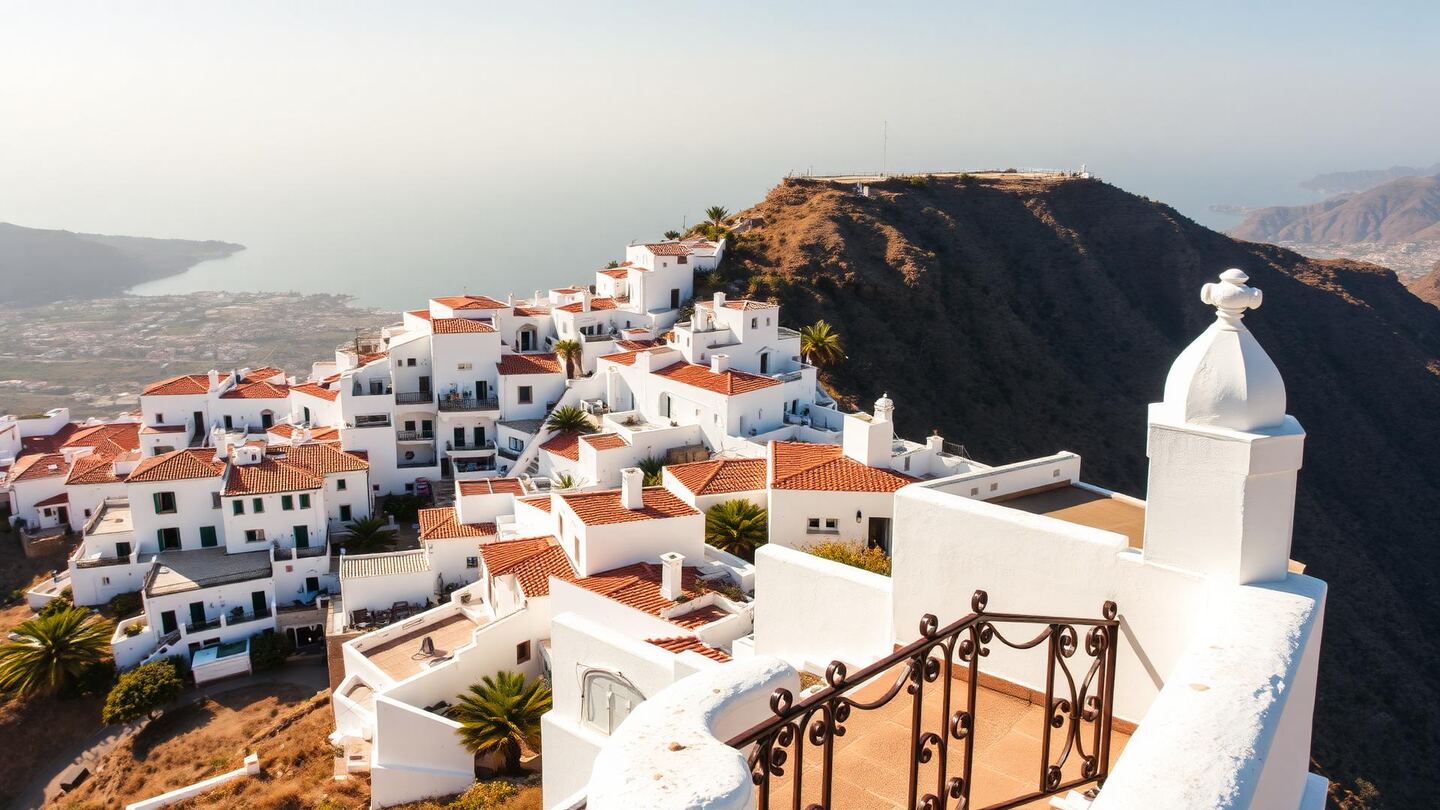
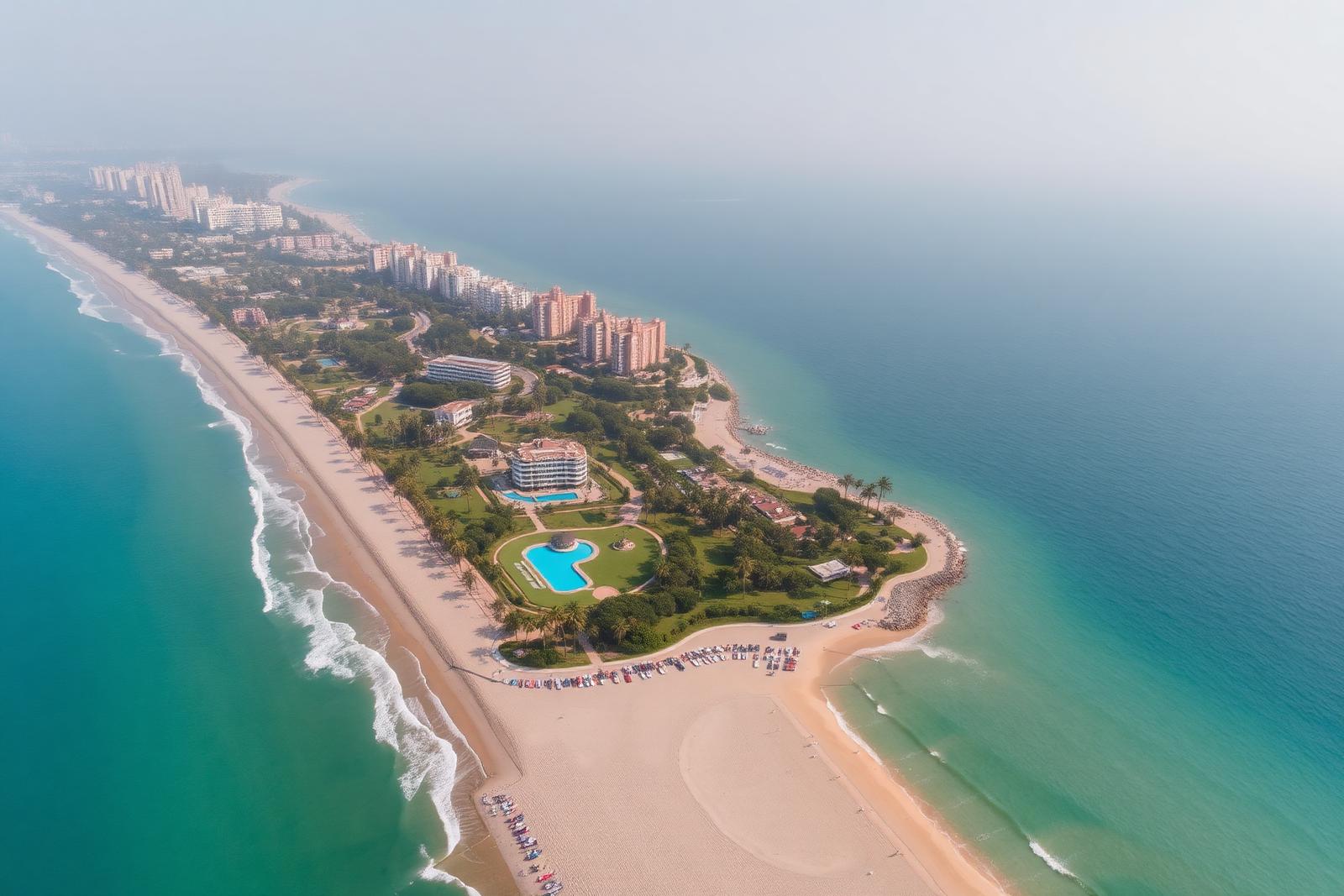
Mijas
Around €4,122/m² for an apartment and €4,083/m² for a house (October 2026), the best beach-to-price ratio on the western coast
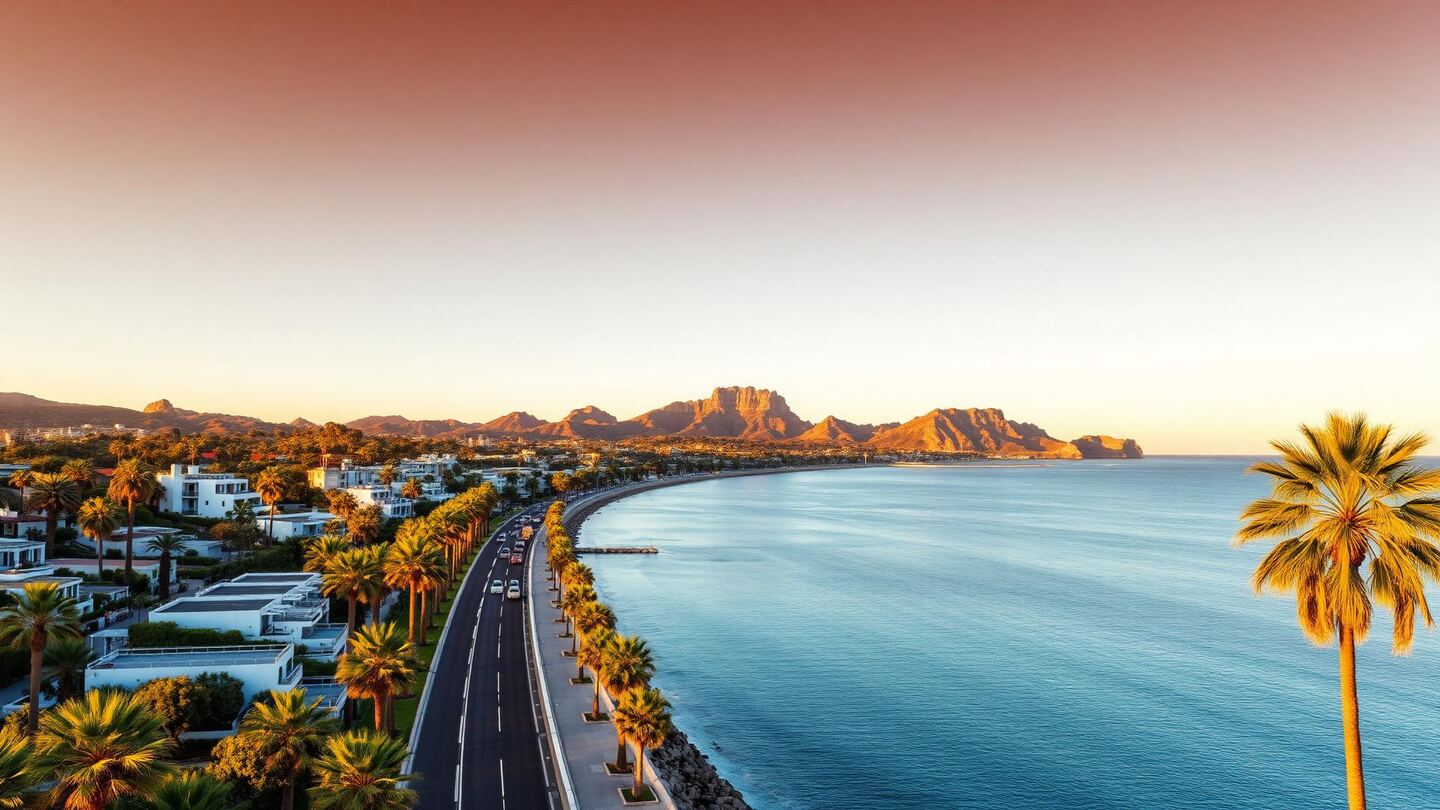
Marbella et Golden Mile
On tracked sales from January 2024 to January 2026: apartments from EUR 825,000, villas from EUR 1.2m to EUR 19.5m. Asking prices around EUR 8,336/sqm in August 2026 on the Nagüeles and Milla de Oro index.


Frequently asked questions about Málaga
- Is Málaga a good alternative to Marbella for investment?
- Málaga city offers noticeably lower prices per sqm, generally between 3,000 and 5,500 € in central districts such as Soho or El Limonar in 2025-2026, with a more urban and cultural profile than a beach-resort one. The city attracts year-round rental demand from students, professionals and the tech sector, alongside urban tourism, diversifying the return profile compared with Marbella.
- Does Málaga have its own international airport?
- Yes, Málaga-Costa del Sol airport is the main air hub in southern Spain, with direct links to more than 100 European destinations during peak season. It sits about 10 km from the city centre, around 15 to 20 minutes by car or Cercanías suburban train.
- Is Málaga lively year-round or only in summer?
- Unlike the Costa del Sol's beach resorts, Málaga functions as a genuine Spanish city that is active all year, driven by a dense cultural scene, museums such as the Centre Pompidou Málaga and the Picasso Museum, universities and a growing tech sector since the 2010s. Tourist numbers rise in summer and during the Feria de Málaga in August, without the city becoming dependent on seasonality.
- Is short-term tourist letting restricted in Málaga city?
- Yes, Málaga city council has since 2023 introduced tighter restrictions on new VFT licences in several historic centre districts where tourist saturation has caused tension with residents. Checking the zoning and availability of new licences before any purchase intended for short-term letting is essential.
- Is Málaga safe for a foreign buyer?
- Málaga's crime indicators are broadly comparable to those of other major Spanish cities of similar size, with variation between neighbourhoods as in any urban area. Newer developments, notably around Muelle Uno and the port area, offer secure access and professional management comparable to coastal standards.
- Is parking difficult in central Málaga?
- The historic centre is largely pedestrianised or under regulated blue-zone parking, making on-street parking difficult and encouraging use of paid underground car parks, where monthly rates typically run around 100 to 180 €. Older centre properties rarely come with a private garage, unlike newer developments on the outskirts.